
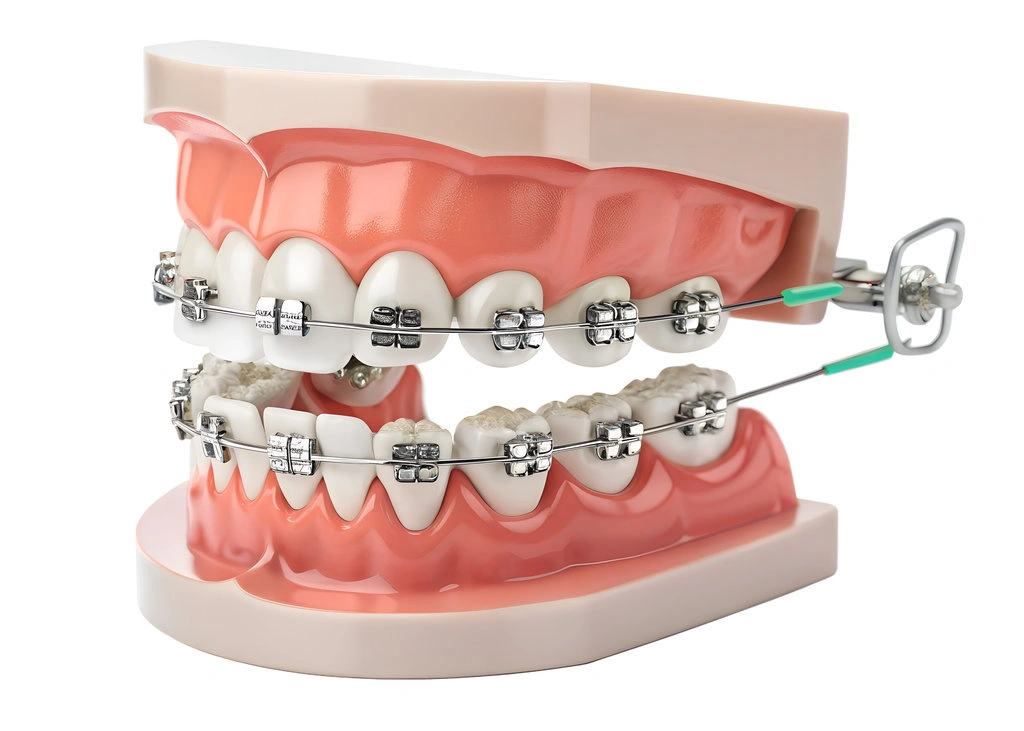
Every parent worries about the mounting costs of orthodontic treatment, but the real financial burden often lies in what happens when you wait too long to act. While it might seem logical to postpone orthodontic treatments until all permanent teeth emerge, this delay can actually multiply both treatment complexity and costs exponentially.
At SmileWorks, we understand that Manhattan families want the best care for their children while making smart financial decisions. Our team helps families throughout New York City, from Chelsea to Long Island City, discover how early orthodontic intervention can prevent more expensive treatments down the road.
3 Reasons Early Intervention Can Save You Money
The American Association of Orthodontists recommends that children should have their first orthodontic evaluation by age 7, when permanent teeth begin to emerge. This timing isn’t arbitrary. Understanding the financial benefits of early treatment helps parents make informed decisions about their child’s oral health.
Prevents Complex Surgical Procedures
When orthodontic issues go untreated during childhood, they often worsen as the jaw continues growing. Severe overcrowding, significant bite problems, and jaw misalignment may eventually require surgical intervention to correct. These surgical orthodontic treatments can cost thousands of dollars more than preventive early treatment.
Early intervention with tools like expanders can guide proper jaw development while bones are still growing and malleable. This proactive approach often eliminates the need for complex procedures later, saving families substantial money and reducing treatment time.
Reduces Overall Treatment Duration
Children who receive early orthodontic care typically require shorter treatment periods when they return for comprehensive treatment as teenagers. The foundation work completed during the early treatment phase makes the final alignment process more efficient and straightforward.
Shorter treatment periods mean fewer office visits, reduced maintenance costs, and less time away from school and work for families. The efficiency gained through early intervention translates directly into cost savings that can offset the initial investment in early treatment.
Minimizes Damage to Permanent Teeth
Delaying treatment allows problems to compound over time. Severely crowded teeth are harder to clean properly, leading to increased risk of tooth decay, gum disease, and enamel damage. Correcting these dental health issues alongside orthodontic problems significantly increases treatment costs.
Early intervention addresses alignment issues before they cause secondary problems. By creating proper spacing and alignment early, we help ensure permanent teeth remain healthy throughout the orthodontic process. This preventive approach saves money on additional dental treatments and helps maintain optimal oral health.
Consider these common scenarios where early intervention prevents costly complications:
- Severe overcrowding that leads to impacted teeth requiring surgical exposure
- Crossbites that cause uneven tooth wear and potential jaw joint problems
- Thumb-sucking habits that create significant bite irregularities requiring extensive correction
- Narrow palates that restrict breathing and may necessitate sleep disorder treatments
Each of these conditions becomes more expensive to treat when addressed later rather than during optimal intervention windows.
Frequently Asked Questions About Early Orthodontic Treatment and Costs
At what age should my child have their first orthodontic evaluation?
The American Association of Orthodontists recommends scheduling a first orthodontic evaluation by age 7, around when permanent teeth begin to emerge. An early evaluation lets an orthodontist spot developing issues like overcrowding, crossbites, or jaw growth concerns while there is still room to guide treatment, even if active treatment does not start right away.
Does waiting until all permanent teeth come in before starting treatment actually save money?
Not usually. Orthodontic problems can become more complex as the jaw keeps growing, which may lead to longer treatment or more involved procedures later on. Addressing issues earlier, while the bones are still developing, can help reduce overall treatment complexity and cost.
What types of problems can early orthodontic intervention help prevent?
Early intervention can help address concerns such as severe overcrowding, crossbites, bite irregularities linked to thumb-sucking habits, and narrow palates before they progress further. Catching these issues early can lower the likelihood of needing more extensive correction, including surgical treatment, later on.
What is a palatal expander, and how does it relate to treatment costs?
A palatal expander is an appliance used during childhood to gradually widen a narrow upper jaw while the bones are still growing and more responsive to guided movement. Using an expander during this window can help create space for permanent teeth and may reduce the need for more complex corrective treatment later.
How does early treatment affect the length and cost of orthodontic care as a teenager?
Children who complete an early treatment phase often need shorter, more straightforward care when they return for comprehensive treatment as teenagers. Fewer office visits and a more efficient final phase can help offset the cost of the earlier intervention.
Start Your Child’s Orthodontic Journey With SmileWorks
SmileWorks combines cutting-edge technology with personalized care to provide comprehensive orthodontic solutions for families throughout Manhattan and beyond. Our state-of-the-art facility features 3D X-ray machines, 3D scanners, and 3D printer technology that help us create precise treatment plans while minimizing appointment time and maximizing comfort.
We believe in treating each patient like family, which means we take time to explain treatment options, costs, and timing so you can make the best decisions for your child’s future. Our team offers free consultations to help you understand your child’s orthodontic needs and explore how early intervention might benefit your family both clinically and financially. Take the first step toward protecting your child’s smile and your family’s budget by calling SmileWorks at (646) 722-1177 or contacting us online.