
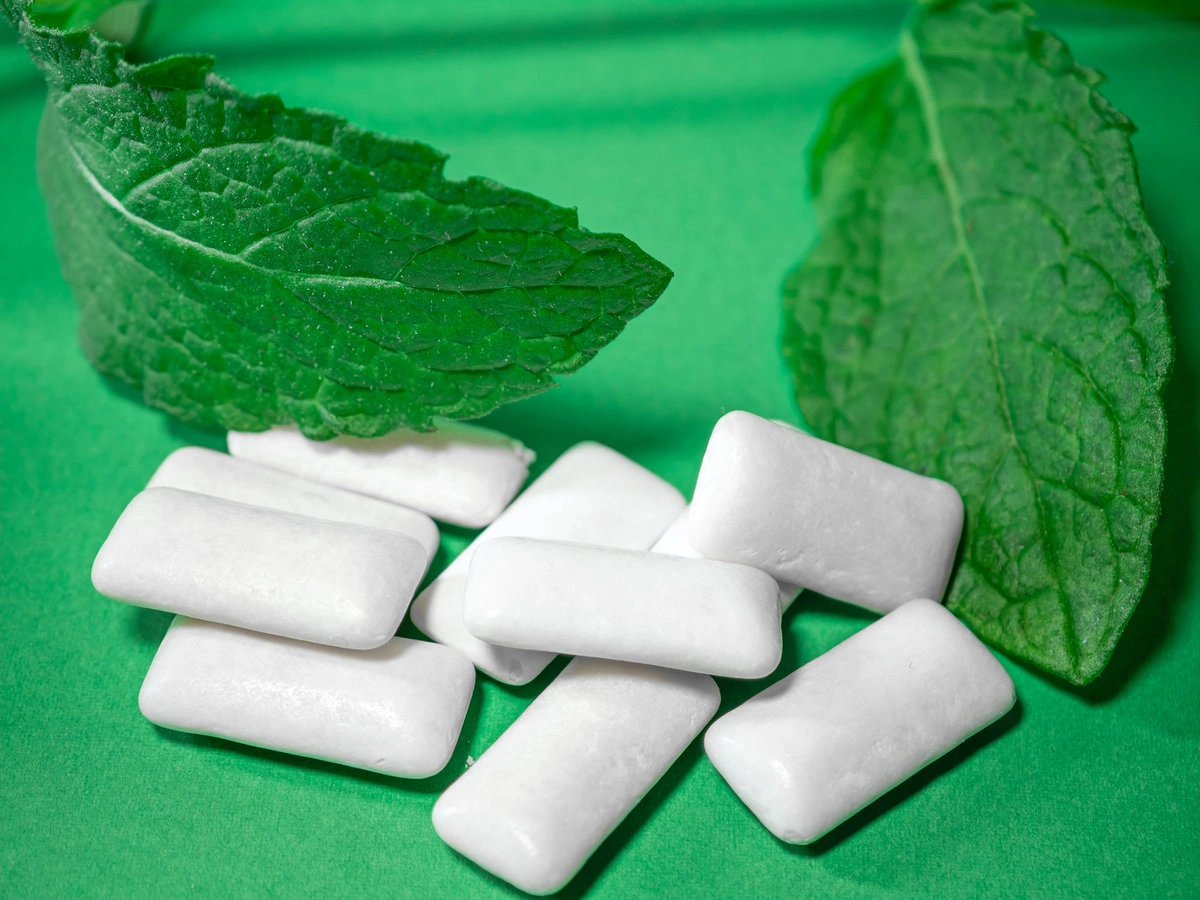
You’ve probably heard that chewing sugar-free gum can actually be good for your teeth, but is it really that simple? With so much conflicting information about oral health habits floating around, it’s hard to know what actually works and what’s just marketing hype. Chewing gum that contains xylitol can actually help reduce plaque and harmful bacteria, making it a useful tool for some patients to maintain their oral health.
At SmileWorks, our award-winning dental specialists understand that busy families in Manhattan and Long Island City need practical, effective ways to protect their smiles between brushing sessions. That’s why we’re here to break down the real science behind sugar-free gum and whether it deserves a spot in your family’s oral care routine. As a one-stop shop for the whole family, we’re committed to giving you honest, helpful guidance on everything from preventive dentistry to the little daily habits that make a big difference.
How Sugar-Free Gum Actually Works
When you pop a piece of sugar-free gum in your mouth after a meal, you’re not just freshening your breath. Chewing stimulates your salivary glands, which kicks saliva production into overdrive. This matters more than you might think because saliva is your mouth’s natural defense system.
Increased saliva flow helps wash away food particles and neutralizes harmful acids that bacteria produce after you eat. The American Dental Association notes that chewing sugar-free gum increases saliva flow, which helps reduce plaque acid, strengthen teeth, and reduce tooth decay. These acids are what cause enamel erosion and eventually cavities, so anything that helps buffer them is a win for your teeth.
The Xylitol Advantage
Not all sugar-free gums are created equal. Many contain xylitol, a natural sweetener that doesn’t just avoid feeding cavity-causing bacteria. Research found that xylitol gum significantly reduces both plaque quantity and harmful bacteria levels in the mouth compared to no gum chewing at all. That means xylitol actively fights back against the sticky film that builds up on your teeth throughout the day.
What Sugar-Free Gum Can and Can’t Do
While sugar-free gum is a helpful tool, it’s not magic. Think of it as a teammate in your oral health lineup, not the star player. It can help rinse away debris when you can’t brush right away, reduce acid attacks after meals, and keep your mouth feeling fresh. Parents, in particular, appreciate this option for children who snack throughout the day.
However, chewing gum can’t replace proper brushing and flossing. It won’t remove tartar buildup, clean between your teeth, or reach all the nooks and crannies where bacteria hide. You still need your twice-daily brushing routine and regular dental cleanings to keep your smile in top shape.
When to Use and Avoid Sugar-Free Gum
If you decide to incorporate sugar-free gum into your routine, timing matters. Chew it for about 15-20 minutes after meals when acid levels in your mouth are highest. This is especially helpful when you’re out and about in New York City and can’t immediately brush your teeth.
Look for products with the ADA Seal of Acceptance, which means they’ve been tested and proven safe and effective. Most ADA-approved gums use sweeteners such as xylitol, sorbitol, or aspartame instead of sugar. For families with young children, ensure children are old enough to chew gum safely without swallowing it.
When to Skip the Gum
While sugar-free gum works great for most people, it’s not for everyone. If you have TMJ issues or jaw pain, repetitive chewing can worsen symptoms. Some people also experience digestive discomfort from sugar alcohols like xylitol when consumed in large amounts. If you have braces or other orthodontic work, check with your orthodontist first, as sticky gum can damage brackets and wires.
Experience the SmileWorks Difference in Manhattan
At SmileWorks, located in Midtown East Manhattan, we’re here to answer all your questions about protecting your family’s teeth, from whether sugar-free gum is right for you to developing a comprehensive preventive care plan. Whether you need routine checkups, teeth whitening, or specialized treatments, our dental specialists treat each patient like family.
Ready to give your family’s smiles the care they deserve? We offer free consultations and accept all PPO insurance plans to make quality dental care accessible for New York families. Contact our office today to schedule your appointment and discover why families throughout Manhattan and Long Island City trust SmileWorks for their complete dental needs.