
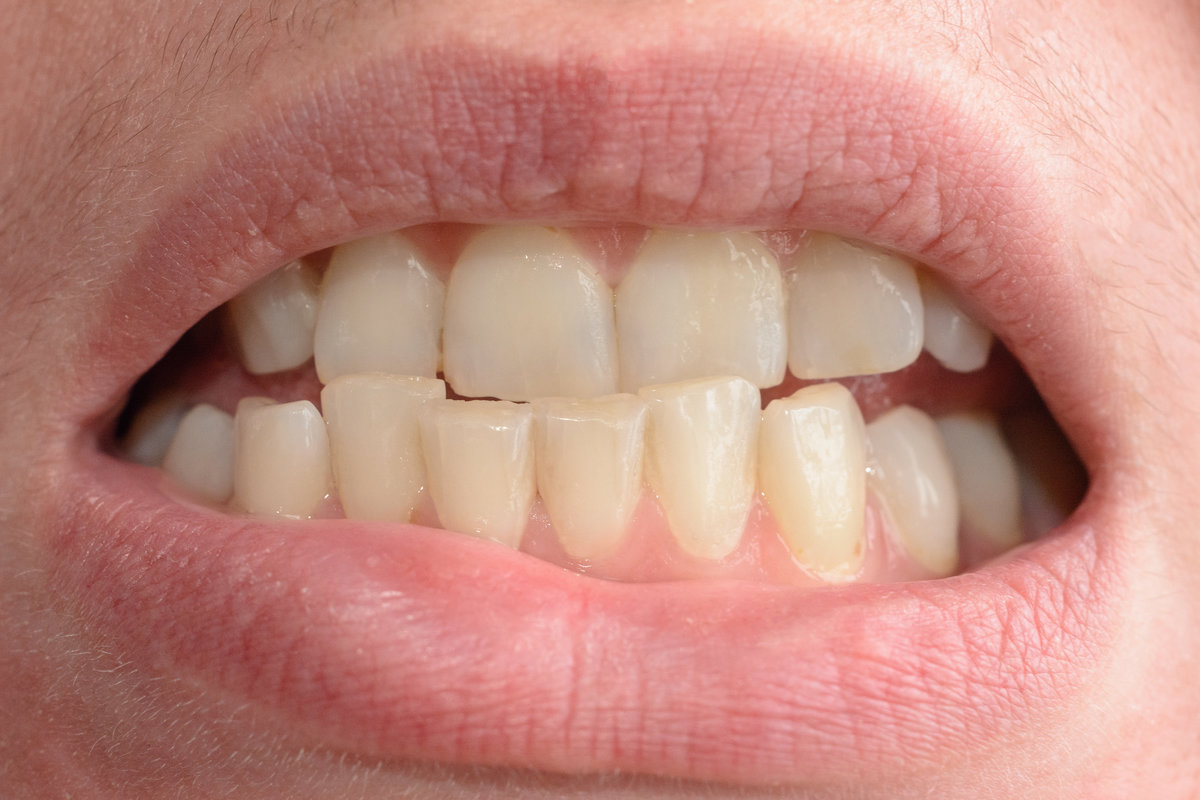
You finally got your braces off and celebrated a perfectly aligned smile, only to notice months or years later that your teeth have started to drift back out of place. It’s incredibly frustrating to see your time and money invested begin to unravel, and you might wonder if something went wrong with your treatment.
At SmileWorks, our award-winning dental specialists understand that teeth shifting after orthodontic treatment is a common concern for many patients. With our state-of-the-art 3D X-ray machine, 3D scanner, and 3D printer technology at our Midtown East Manhattan location, we can assess your current alignment and develop a personalized plan to restore your smile. Our SmileWorks dental family strives to treat each patient as if they were our own family and to provide caring yet smart dental care to create a beautiful, healthy smile.
Why Teeth Shift After Orthodontic Treatment?
Teeth shifting after orthodontic treatment, known as orthodontic relapse, occurs more frequently than many patients realize. Research from the National Institutes of Health indicates that maintaining teeth in the correct position following orthodontic treatment is a great challenge for orthodontists. Your teeth are held in place by periodontal ligaments, which function similarly to elastic bands. After braces or Invisalign treatment ends, these ligaments retain a memory of your teeth’s previous positions and can gradually pull them back.
The bone and soft tissues surrounding your teeth continue to remodel after treatment completion. This process is natural, but without proper retention, your teeth may drift back to their original positions. Even patients who had treatment years ago can experience delayed shifting as their facial structure continues to evolve with age.
Common Causes of Post-Treatment Shifting
Not wearing your retainer consistently is the primary reason teeth shift after orthodontic treatment. Many patients achieve perfectly aligned teeth only to skip retainer wear and experience unwanted movement months or years later. Your retainer provides essential support while the surrounding bone and tissue adapt to your teeth’s new positions.
Other contributing factors to teeth shifting after orthodontic treatment include the following:
- Oral habits: Grinding or clenching your teeth, tongue thrusting, nail biting, or using your teeth as tools can exert continuous pressure that causes teeth to move from their corrected positions over time.
- Natural aging: As we age in Manhattan and throughout New York, our facial structures undergo continuous change. Bones, soft tissues, and teeth-supporting structures evolve, which can affect tooth alignment even with consistent retainer use.
- Growth patterns: Teenagers may experience growth spurts that continue after treatment, while some adults experience late jaw development that can influence how teeth fit together.
These factors don’t mean your orthodontic treatment failed. They simply reflect the dynamic nature of your mouth and the importance of ongoing retention care.
What to Do If You Notice Your Teeth Shifting
If you suspect your teeth have shifted, the first step is scheduling an evaluation with your orthodontist. Try putting your retainer back in after thoroughly cleaning it. If you feel pressure or discomfort, this indicates some movement has occurred. However, retainers are designed to maintain tooth positions, not actively move teeth back into place, so wearing an ill-fitting retainer can cause problems.
During your appointment, we will examine your current alignment and determine the extent of shifting. Catching relapse early often allows for simpler solutions. If shifting is minimal, consistent retainer wear or a retainer adjustment may help guide your teeth back to their proper positions. More significant movement might require a brief period of treatment, potentially using clear aligners or other orthodontic appliances designed to correct the specific areas that have shifted.
How to Prevent Teeth Shifting After Orthodontic Treatment
Preventing your teeth from shifting after orthodontic treatment requires a proactive approach to retention and oral care. The following strategies can help you maintain your beautifully aligned smile for years to come:
Follow Your Retention Plan Consistently
The most effective way to prevent teeth from shifting is to follow your orthodontist’s retention recommendations precisely. Most patients need to wear retainers full-time for several months after treatment, then transition to nighttime wear. Many orthodontists now recommend lifelong nighttime retainer wear to maintain optimal alignment throughout your life.
Schedule Regular Dental Checkups
Regular dental checkups allow your dentist to monitor your bite and alignment, catching any subtle changes before they become significant problems. If you have a fixed retainer bonded to your teeth, routine checks ensure it remains secure and intact.
Address Harmful Oral Habits
Address habits like teeth grinding by discussing treatment options with your dentist, such as nightguards for nighttime protection. Identifying and correcting tongue thrusting or other pressure-causing behaviors can also prevent unwanted tooth movement.
Maintain Excellent Oral Hygiene
Maintaining excellent oral hygiene throughout your life protects the supporting structures of your teeth. Gum disease and bone loss can make it harder for teeth to stay anchored in their corrected positions. Prioritizing your oral health provides a foundation for long-term orthodontic stability.
Schedule Your Free Orthodontic Consultation at SmileWorks
If your teeth have shifted after orthodontic treatment, don’t wait to address the issue. At SmileWorks, we offer comprehensive orthodontic solutions to help you regain and maintain your beautiful smile. We accept all PPO insurance plans and FSA and HSA funds. We’re happy to review your benefits before any treatment and will file all claims on your behalf.
Ready to restore your smile? Contact us today to schedule a consultation at our conveniently located Midtown East office. Our dental specialists will evaluate your situation and recommend the best approach to get your smile back on track.