Dental Crowns Near Central Park South, NYC
Strengthen and restore damaged teeth with custom crowns at SmileWorks on Central Park South, close to Columbus Circle and 57th Street.
Restorative Crowns Steps From Columbus Circle
Teeth take a lot of wear and tear over the years. A chip from biting the wrong thing, a tooth that cracked under an old filling, or one that needed a root canal can all leave you favoring one side of your mouth. A dental crown slips over the entire tooth, protecting what’s left and restoring its natural shape and strength.
At our Central Park South office, Dr. Hyo Sup Shin, a general dentist and NYU College of Dentistry graduate, leads crown treatment with our restorative team. Patients from Columbus Circle, 57th Street, the Upper West Side, and across Midtown trust us for crowns that feel secure and look like their own teeth. Crowns also support other restorations, like dental bridges and dental implants, and we’ll help you plan whatever comes next.
Complete Care for Every Smile in the Family
Restorative, cosmetic, orthodontic, and pediatric dentistry, all with our Central Park South team.

When Is a Crown the Right Choice?
We typically recommend a crown when a tooth is too damaged or weak for a filling to hold up. You might need one if you have:
- A cracked, fractured, or chipped tooth
- Deep decay that’s spread across much of the tooth
- A tooth treated with a root canal
- A large filling that’s cracking or wearing out
- Teeth worn flat from clenching or grinding
- A discolored or oddly shaped tooth you’d like to improve
Sensitivity when chewing or a crack you can see or feel are good reasons to book a visit. The sooner we look, the more of the natural tooth we can usually save.
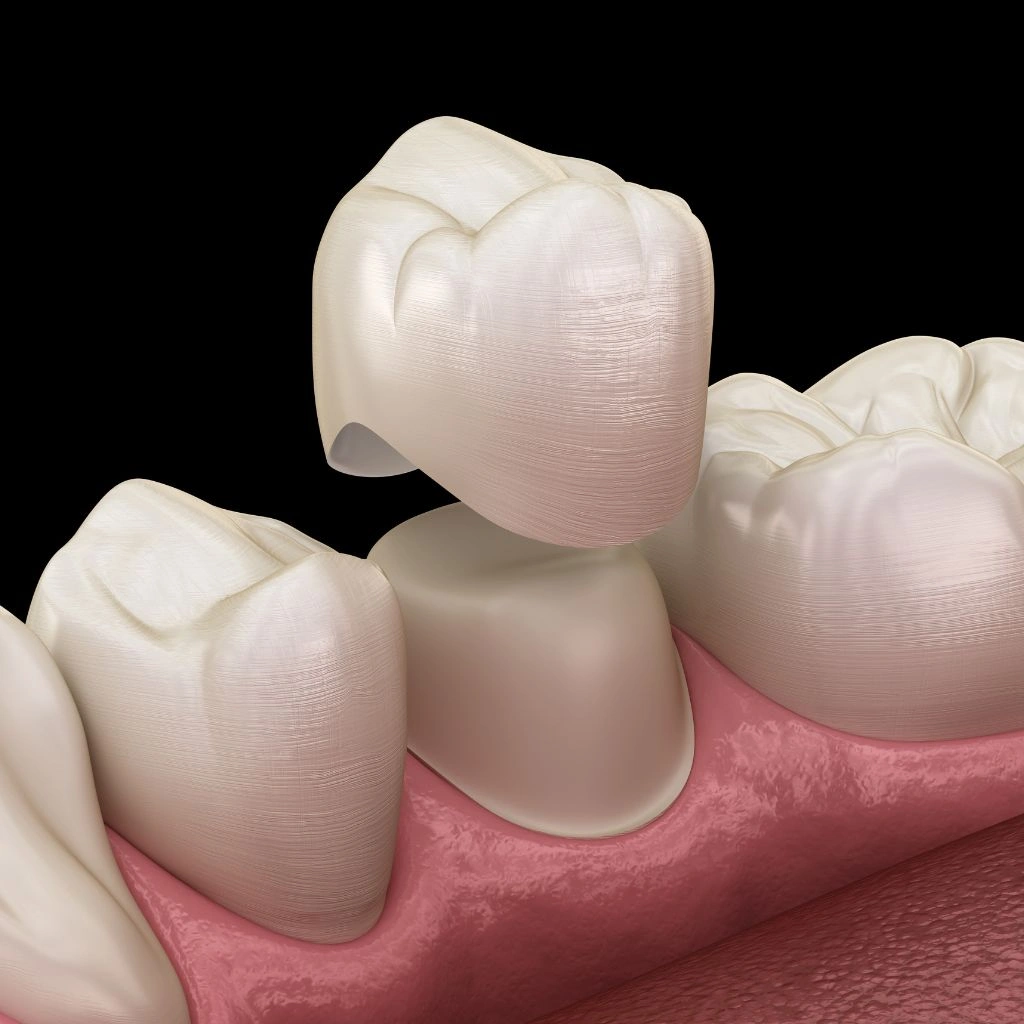
Strong, natural-looking crowns near Central Park. Book your consultation today.
Choosing the Right Crown Material
There’s no single best crown for everyone. The right material depends on the tooth’s location, how hard you bite, and the look you want. Here’s a quick overview of what we offer near Central Park South.

Porcelain Crowns
Porcelain can be matched closely to the color and translucency of your natural teeth, which makes it a top pick for crowns in the front of your smile.

Ceramic Crowns
Metal-free ceramic crowns, such as zirconia, offer a strong and natural-looking result. They’re versatile for both front and back teeth and a good choice if you’d like to avoid metal.

Metal Crowns
Gold and metal alloy crowns are extremely durable and wear gently against opposing teeth. Their metallic color makes them best suited for molars toward the back of the mouth.

Porcelain-Fused-to-Metal (PFM) Crowns
A porcelain exterior over a metal core gives these crowns strength and a tooth-colored surface. Over time, a slim dark edge may become visible near the gumline.
Resin Crowns
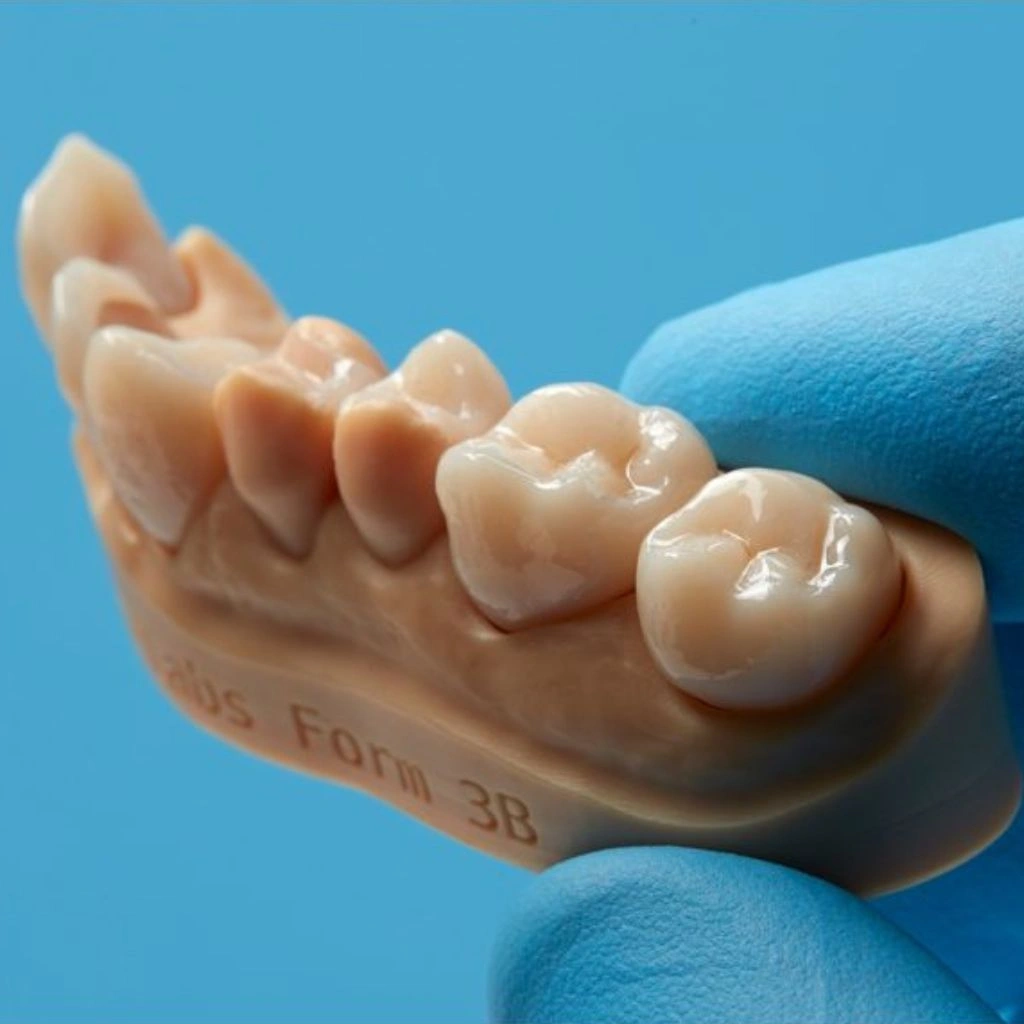
Resin is an affordable, tooth-colored option that’s less durable long term. We commonly use it for temporary crowns while your permanent crown is being made.
Crown Materials Side by Side
| Material | Ideal Placement | Main Benefit | Keep in Mind |
|---|---|---|---|
| Zirconia | Front or back teeth | Very strong, metal-free | Slightly less translucent |
| Porcelain / Ceramic | Front teeth | Most natural look | Best where bite forces are lighter |
| Porcelain-Fused-to-Metal | Front or back teeth | Strength plus a tooth-colored surface | Edge may show at the gumline |
| Metal / Gold | Back molars | Extremely durable | Metallic color |
| Resin | Temporary use | Budget-friendly | Wears more quickly |
Same-Day Crowns for Busy Midtown Schedules
When your calendar is packed, two appointments and a temporary crown can feel like a hassle. For the right cases, digital scanning and in-office design let us create and place a crown in one visit. It depends on the tooth and material you choose, so we’ll confirm at your exam. Read more about same-day crowns and bridges.
Your Crown Appointment, Explained
We start by making sure you’re comfortable and the area is fully numb. Next, we clear away any decay or weak spots and carefully shape the tooth so your crown will fit precisely. A quick 3D scan records every detail, with no goopy impression material needed.
If you’re getting a traditional crown, we’ll place a temporary to protect the tooth while your permanent crown is made. When it’s ready, we’ll confirm the fit, shade, and bite before bonding it in place. Afterward, you’re free to head back to your day around Columbus Circle.
Step 1: Evaluate. An exam and X-rays confirm that a crown is the best option.
Step 2: Prepare. We numb the tooth, remove damage, and shape it for the crown.
Step 3: Scan. A 3D digital scan captures the tooth for a precise fit.
Step 4: Place. Your crown is fitted, fine-tuned, and secured.
Helping Your Crown Go the Distance
Crowns are built to last, and good habits help them last even longer. Lifespan varies with the material, your bite, and how you care for your teeth. To protect your crown:
- Brush gently twice daily and floss carefully around the crown
- Skip chewing on ice, pens, or very hard foods
- Use a custom night guard if you grind your teeth
- See us regularly for cleanings and checkups
Caring for What's Beneath Your Crown
Even with a crown, the natural tooth underneath still needs attention. Decay can start where the crown meets the gumline, so daily flossing and routine exams and cleanings matter. At every visit, we check your crown’s fit and seal to catch problems early. For easy-to-read tips on caring for your smile, explore the ADA’s For the Patient library.
Why Patients Near Central Park South Trust Us With Their Crowns
Because SmileWorks is a multi-specialty practice, your crown, root canal, bridge, or implant can all be handled by one coordinated team. Our office at 30 Central Park South is easy to reach from Columbus Circle, 57th Street, and the rest of Midtown. We accept many PPO plans and can check your insurance coverage in advance. See all available services on our Central Park South dental office page.
Protect Your Smile: Book a Crown Consultation Near Central Park
Crown Questions From Our Central Park South Patients
What are the signs that I need a crown?
Common signs include a visible crack, pain when you bite down, a tooth that’s broken or worn, or a large filling that’s starting to fail. Teeth that have had root canals also often need crowns. An exam will confirm what’s best.
What does a crown cost near Central Park South?
Pricing varies with the material and your treatment needs. Since crowns are restorative, PPO insurance often helps with the cost. We’ll verify your coverage and give you a written estimate before we begin.
Do you offer single-visit crowns?
For many cases, yes. Digital scanning and in-office design can let us complete a crown in one appointment. Whether it’s right for you depends on the tooth and the material, and we’ll discuss it at your exam.
How many appointments will my crown take?
Traditional crowns usually take two appointments spaced a couple of weeks apart. Same-day crowns are done in a single, longer visit.
Will the procedure be uncomfortable?
Local anesthetic keeps the tooth numb, so you’ll mainly feel light pressure. Mild soreness or sensitivity for a few days afterward is normal and typically fades quickly.
Are there foods I can't eat with a crown?
Once your permanent crown is in place, most foods are fine. Avoid biting ice, hard candy, or unpopped popcorn kernels, and steer clear of sticky foods like caramel while you have a temporary crown.
How is a crown different from a filling?
A filling repairs a smaller cavity from the inside of the tooth. A crown covers the entire tooth and is used when there isn’t enough healthy structure left for a filling to hold. Learn more about dental fillings.
What should I expect at my first visit?
We’ll examine the tooth, take digital X-rays and scans, and listen to your concerns. Then we’ll walk you through material choices, timing, and cost so you have everything you need to decide.
Get a Custom Crown at SmileWorks Central Park South
Don’t let a cracked or weakened tooth keep you from enjoying your favorite foods. Our Central Park South team uses 3D scanning and thoughtful craftsmanship to create crowns that fit comfortably and blend in with your smile. Book online or get in touch through our contact page to schedule your visit.
Visit Us
We’re conveniently located in Midtown East, Manhattan, making us easily accessible from anywhere in New York. Find us on the 11th floor at 30 Central Park South. Plenty of nearby parking and public transportation options are available to make your visit convenient.
Get directions to our Manhattan office.
- 30 Central Park South Suite #11D New York, NY 10019
- 41 Park Avenue #1A, New York, NY, 10016
- 646-722-1177
- Tues-Fri 9am-6:30pm 1st, 3rd Saturdays 9am-2pm